

Can a Hole Saw Be Used on Copper Pipes?
As an experienced hole saw manufacturer and supplier, we often receive questions from customers about the versatility of hole saws and their suitability for different materials. One common question is whether a hole saw can be used to cut copper pipes.
The answer is yes. With the right hole saw and cutting parameters, copper can be cut effectively. However, because copper is relatively soft and ductile, choosing the appropriate tooth design, cutting speed, and feed pressure is important to achieve a clean cut and prevent the teeth from clogging or grabbing the material.
In this article, we'll explain how to choose and use a hole saw for copper pipes, as well as the key factors to consider for safe and efficient cutting.
Understanding the Nature of Copper Pipes
Copper pipes are widely used in plumbing, HVAC (heating, ventilation, and air conditioning), refrigeration, and industrial applications because of their excellent corrosion resistance, thermal conductivity, and durability.
However, copper is relatively soft and ductile compared with materials such as steel or cast iron. This means that copper can behave differently during cutting. If the cutting tool is not properly selected or the cutting parameters are too aggressive, the material may deform, the teeth may grab the workpiece, or the cutting edge may become clogged with copper chips.
For this reason, selecting a suitable hole saw and using appropriate cutting conditions are important when creating holes in copper pipe or thin-wall copper components.
Types of Hole Saws Suitable for Copper
Different hole saw designs are available for different materials and applications. For copper and other non-ferrous metals, the most suitable choice depends on factors such as pipe thickness, hole diameter, copper alloy, cutting frequency, and required hole quality.
HSS Hole Saw
HSS (High-Speed Steel) hole saws are commonly used for cutting and drilling applications involving relatively soft metals, including copper and aluminum.
HSS offers good toughness and heat resistance and can provide reliable cutting performance when used with appropriate cutting parameters and lubrication.
Our HSS Hole Saw range includes different sizes and specifications for various cutting applications.
TCT Hole Saw
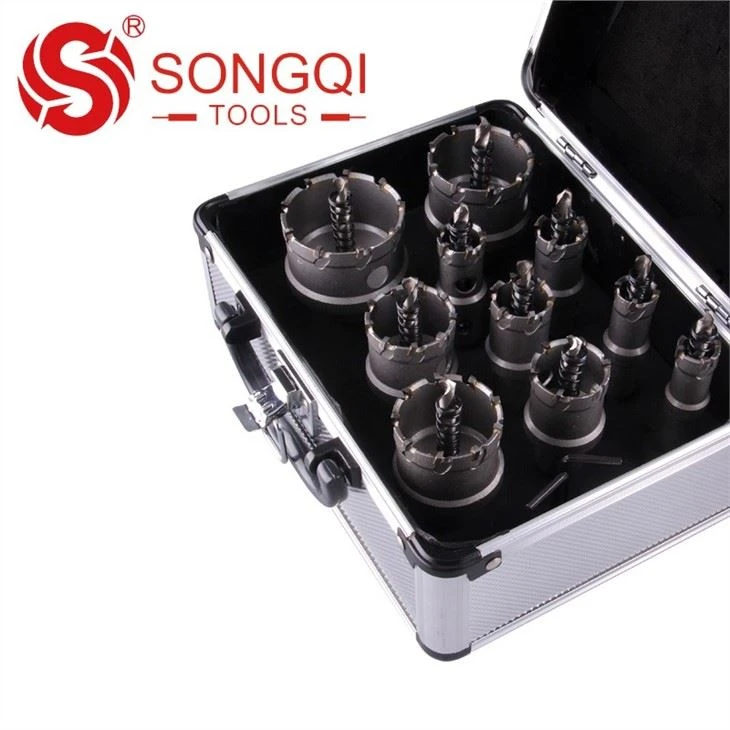
TCT (Tungsten Carbide Tipped) hole saws use carbide-tipped cutting teeth, providing high wear resistance and good cutting performance in a wide range of demanding applications.
A suitable TCT hole saw can be used for copper and other non-ferrous metals, particularly when longer tool life or repeated cutting performance is required.
Our TCT Hole Saw is available in different sizes and configurations for various material-cutting requirements.
The best choice between HSS and TCT depends on the specific application rather than simply the material alone.
Factors to Consider When Using a Hole Saw on Copper Pipes
1. Hole Diameter and Pipe Thickness
Select a hole saw with the correct diameter for the required opening.
Pipe wall thickness is also important. A thin-wall copper pipe may be more prone to deformation during cutting, while thicker copper components may require different cutting parameters.
Before starting, make sure the hole saw has sufficient cutting depth for the application.
2. Cutting Speed and Feed Pressure
Copper is relatively soft and ductile, so excessive cutting speed or feed pressure can generate unnecessary heat and cause the material to smear or adhere to the cutting teeth.
Use the cutting speed recommended for the specific hole saw whenever available. Apply steady and moderate pressure, allowing the cutting teeth to remove material efficiently without forcing the tool.
If the hole saw begins to bind, chatter, or generate excessive heat, stop cutting and check the tool condition and cutting parameters.
3. Lubrication
Cutting oil or another suitable metalworking lubricant can help reduce friction and heat when cutting copper.
Lubrication may also help prevent copper chips from adhering to the cutting teeth and can improve cutting performance and tool life.
However, the lubricant should be suitable for the copper material and the cutting application. Avoid excessive application and follow the recommendations of the tool and lubricant manufacturers.
4. Secure the Pipe Properly
Proper workpiece support is essential when cutting copper pipe.
The pipe should be securely supported and clamped to prevent movement or vibration during cutting. However, avoid excessive clamping force, especially with thin-wall copper pipe, because the pipe can be easily deformed.
Stable support helps improve hole accuracy and reduces the risk of the hole saw grabbing the workpiece.
Step-by-Step Guide to Using a Hole Saw on Copper
Step 1: Prepare the Workspace
Work in a clean, stable, and well-lit area. Prepare the appropriate hole saw, compatible drill, clamps or fixtures, cutting lubricant, and suitable personal protective equipment.
If the copper pipe is part of an existing plumbing or HVAC system, make sure the system is safely isolated and depressurized before cutting.
Step 2: Select the Right Hole Saw
Choose the hole saw according to the required hole diameter, copper material, wall thickness, and cutting application.
For repeated or demanding metal-cutting applications, a suitable TCT hole saw may provide longer service life, while an HSS hole saw can be a practical option for many general-purpose applications.
Step 3: Mark the Hole Position
Clearly mark the center of the hole on the copper pipe.
Measure carefully before cutting, especially when the hole is required for a fitting, branch connection, or other component.
Step 4: Secure the Pipe
Firmly support and clamp the pipe so that it cannot move or rotate during cutting.
For thin-wall pipe, use suitable support to minimize deformation.
Step 5: Apply Suitable Lubrication
Apply an appropriate amount of cutting oil or lubricant to the cutting area if recommended for the selected hole saw and application.
Avoid excessive lubricant that could make the workpiece or tool difficult to control.
Step 6: Start Cutting
Position the hole saw carefully at the marked location and start the drill at the recommended speed.
Allow the pilot drill, where applicable, to establish the cutting position before gradually engaging the hole saw teeth.
Apply steady pressure and avoid forcing the tool into the copper.
Step 7: Maintain Stable Cutting
Keep the drill and hole saw properly aligned with the intended hole axis.
Because a pipe has a curved surface, the hole saw may initially contact only part of the surface. Maintain stable control during this stage and allow the cutting teeth to establish the hole progressively.
If the tool begins to chatter, bind, or overheat, stop and inspect the cutting conditions before continuing.
Step 8: Deburr the Hole
After the hole is completed, remove the hole saw carefully and inspect the opening.
Copper may leave sharp edges or burrs around the hole. Use an appropriate deburring tool or file to remove these edges and produce a smooth opening.
Additional Tools and Accessories
Depending on the application, other tools may be required after the hole has been created.
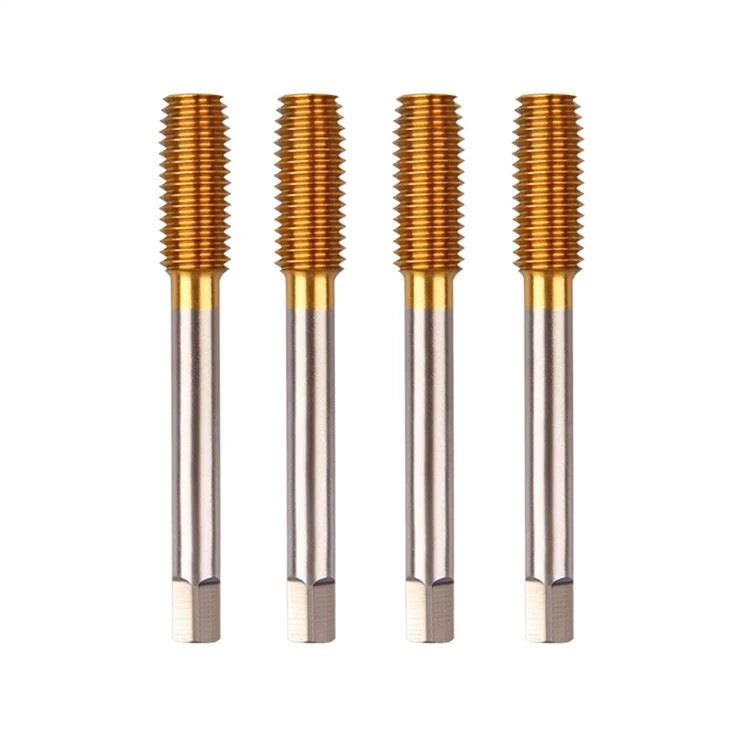
For example, if the copper component needs to be threaded, an appropriate tap can be selected according to the required thread specification and material.
However, additional tools should be selected based on the actual application rather than being required for every copper pipe hole-sawing operation.
Common Mistakes to Avoid
1. Using an Unsuitable Hole Saw
Not every hole saw is designed for metal cutting.
Using a hole saw intended primarily for wood, drywall, or masonry on copper can result in poor cutting performance, premature tooth wear, or damage to the tool.
Always check the manufacturer's recommended applications before use.
2. Using Excessive Speed
High speed can generate unnecessary heat and accelerate tooth wear.
Follow the recommended operating speed for the specific hole saw whenever possible and adjust the cutting conditions according to the copper material and wall thickness.
3. Applying Too Much Pressure
Excessive feed pressure can cause the hole saw to bind, grab, or deform a thin copper pipe.
Use steady, controlled pressure and allow the cutting teeth to do the work.
4. Cutting Without Proper Support
A poorly supported pipe can move or vibrate during cutting, resulting in an inaccurate hole and potentially damaging the tool.
Always secure the workpiece properly before starting.
5. Ignoring Burrs After Cutting
A freshly cut copper hole may have sharp edges or burrs. These should be removed before installing fittings or connecting other components.
Proper deburring improves safety and can also help ensure a better fit between components.
Conclusion
A hole saw can be an effective tool for creating holes in copper pipes and other copper components when the correct product and cutting conditions are used.
The key factors include hole diameter, pipe wall thickness, hole saw material and tooth design, cutting speed, feed pressure, lubrication, and workpiece support.
HSS hole saws can be suitable for many general-purpose copper cutting applications, while TCT hole saws can offer advantages in applications where wear resistance and repeated cutting performance are important.
If you are looking for a suitable hole saw for copper pipe, please provide us with the copper material or alloy, pipe thickness, required hole diameter, machine, and application. Our team can help you select an appropriate hole saw based on your specific requirements.