

Hey everyone, let’s cut to the chase (pun totally intended) – if you’ve ever had to drill a clean, perfect hole through hard stuff like metal, tile, or thick wood, you’ve probably stared at two types of hole saws and wondered which is worth your cash. I’m not here to sell you something you don’t need, but as a supplier of quality cutting tools (including our own Tct hole saws), I’ve talked to hundreds of folks who’ve wasted money on cheap regular hole saws that die mid-job. Today, I’m breaking down exactly what separates a Tct hole saw from that basic hole saw you grab at the hardware store for a few bucks. No jargon, just real talk about what works and why.
First, let’s start with the basics so we’re all on the same page. A regular hole saw is that circular, tooth-edged tool you use with a drill to make larger holes than a standard drill bit. You know the one – thin metal, usually with sharp but fragile teeth that dull or snap if you look at them wrong. I’ve watched a homeowner struggle through cutting a 2-inch hole through steel for a new sink, their regular hole saw teeth bending halfway through, and they just had to buy another one at the last minute. That’s not a win.
Now, the Tct part stands for Tungsten Carbide Tipped, and that’s where the magic (and the difference) starts. Tungsten carbide is basically one of the hardest materials on Earth – way harder than the high-speed steel (HSS) regular hole saws use for their teeth. Let’s get specific here: regular hole saw teeth are made of HSS, which is tough enough for soft wood or thin plastic, but if you throw in metal, masonry, laminate, or even hard plywood, those teeth don’t stand a chance. They get hot, they dull, they break. Tct hole saws, on the other hand, have tiny carbide bits brazed onto the edge of the saw’s teeth. Carbide can handle heat, abrasion, and hard materials way better than HSS – that’s the core difference, but there’s so much more to it.
Let’s talk about real-world performance, because that’s what actually matters. I remember a contractor who came to me last month, complaining he’d gone through three regular hole saws just to cut 10 holes through stainless steel for a commercial plumbing job. He switched over to our Tct hole saws and finished the same 10 holes in half the time, no broken teeth, no stop-and-switching mid-job. Regular hole saws work fine for soft stuff, but once you get into anything dense – aluminum, cast iron, tile, fiber cement, even solid surface countertops – they’re useless. You’ll get rough, jagged holes, and you’ll have to put way more pressure on the drill, which wears out your drill bits (and your arm, let’s be real).
Another big difference is lifespan. A good Tct hole saw can last hundreds of cuts, while a regular one might last 10 or 20 before it’s shot. I’ve seen a Tct hole saw cut through 200+ steel studs for a framing project and still be sharp. A regular hole saw would be lucky to get through 10 studs before the teeth are too dull to cut. Now, I know what you’re thinking: “Tct hole saws are way more expensive, right?” Yeah, upfront they cost a bit more, but when you factor in how many regular hole saws you have to buy to get the same job done, plus the time wasted switching out dull tools, they’re actually cheaper in the long run. For pros, that’s a no-brainer – less downtime means more money. For DIYers, if you’re doing a one-time big project (like tiling a shower or building a metal workbench), it’s worth the extra cash to get a clean hole that doesn’t ruin your project.
Wait, but let’s not act like regular hole saws are totally useless. They’re great for soft, non-abrasive materials – thin plywood, soft plastic, drywall. If you’re hanging a shelf and just need a 1-inch hole for a toggle bolt, grab a regular hole saw – no need to overspend. But if you’re working with anything harder, Tct is the way to go. Let’s also talk about design, because that ties into performance. Regular hole saws have a thin, flexible body that can bend if you apply too much pressure. Tct hole saws have a thicker, more rigid body, so they don’t bend or wander when you start drilling – that means a straighter, more accurate hole every time. No more off-center holes that force you to fill and re-drill.
Also, let’s address a common misconception: you don’t need a special drill for Tct hole saws. A standard cordless drill works fine, but you do want to use the right arbor (the part that attaches the saw to the drill) to keep it stable. That’s actually why I love our SONGQI TCT Carbide Hole Saw Set – it comes with all the right arbors and adapters, so you don’t have to guess what works with your drill. No more buying random adapters that don’t fit, which is a huge headache for pros and DIYers alike. Speaking of drill accessories, if you’re switching between hole saws and other drill tasks, having the right bits matters too – check out this Hex Shank Phillips PH2 Magnetic Screwdriver Power Bit for all your drive tasks, it’s a staple in my tool bag.
Another key point: cutting speed. Tct hole saws let you drill faster through hard materials because the carbide teeth are so sharp and hard. Regular hole saw teeth get hot and blunt quickly, so you have to go slower to avoid breaking them. Faster drilling means less time waiting around, which is a big deal on tight project deadlines. I’ve also noticed less wear and tear on the drill motor when using Tct hole saws – since you don’t have to push as hard, the motor doesn’t strain as much, so your drill lasts longer. That’s another cost savings for folks who use their drills every day.
Now, let’s get into some examples to make this concrete. Let’s say you’re tiling a backsplash and need to cut holes for faucet handles through ceramic tile. A regular hole saw will chip the tile every single time – the thin HSS teeth can’t grip the hard tile without cracking it. A Tct hole saw, though, has carbide teeth that cut through tile smoothly, no chipping, no cracked backsplash. That’s the difference between a perfect install and a mess you have to redo. Another example: cutting holes for electrical boxes through wood that has a lot of nails (common in old homes). A regular hole saw will hit a nail and bend a tooth or stop dead. A Tct hole saw will glide through the nail without skipping a beat.
Wait, but is there any downside to Tct hole saws? The only real one is that they’re heavier, but that’s because the thicker body and carbide teeth are durable. They also cost more upfront, but as I said earlier, that’s offset by longer lifespan and less wasted time. For most people, that trade-off is totally worth it. I’ve had DIYers come to me after using a cheap regular hole saw that ruined a $50 piece of stainless steel, and they’re glad they switched to Tct. Pro contractors will never go back to regular hole saws for any hard material – they know the cost savings is real.

Let’s also talk about maintenance, because that’s something people don’t think about. Regular hole saws need to be sharpened all the time – which is a hassle, because you have to send them out or buy a special sharpening tool. Tct hole saws, on the other hand, hold their edge way longer, and when they do get dull, you can actually re-sharpen them (though most people just replace them when they’re done, since they’re still cost-effective). And since they don’t get as hot, you don’t have to worry about lubricating them as much – though for really hard materials like cast iron, a little cutting oil goes a long way to make them last even longer.
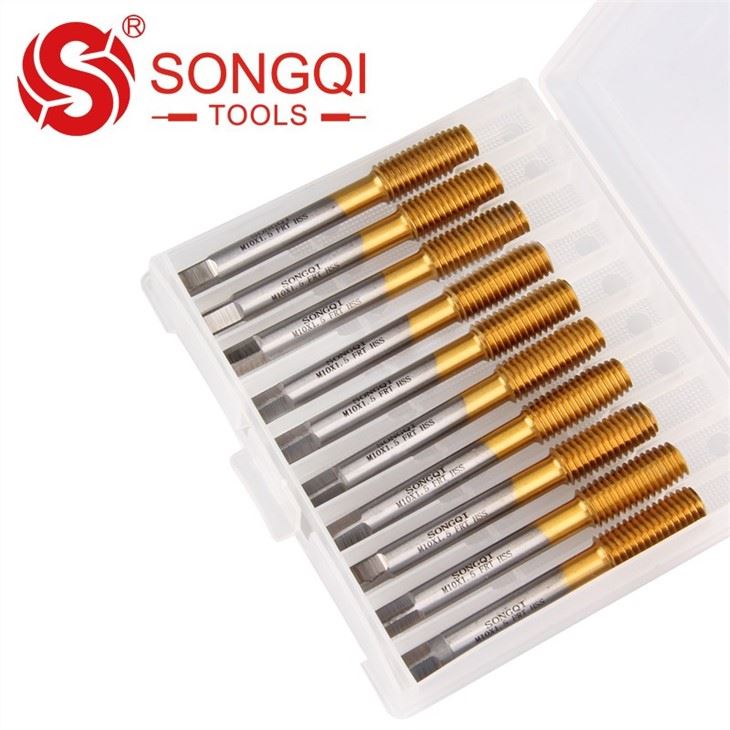
If you’re still on the fence about which to use, ask yourself two questions: 1) What material am I cutting? If it’s soft, go regular. If it’s metal, tile, masonry, or hard wood, go Tct. 2) How often am I using this? If it’s a one-time DIY project, maybe test a regular hole saw first, but if it’s a project you’ll be doing again (or if you’re a pro), Tct is the smart choice. And for anyone looking to upgrade, check out our Tct Hole Saw – we’ve got a range of sizes for every job, from 1/2 inch up to 6 inches, so you’ve got options. We also have Forming Machine Tap and M2 STRAIGHT FLUTED MACHINE TAPS if you’re working with threading too, those are perfect for matching up your holes with bolts or screws.
I get it – buying tools is a big deal, and no one wants to waste money on stuff that doesn’t work. But from talking to thousands of users, the difference between a Tct hole saw and a regular one is night and day for hard materials. You’ll get cleaner holes, finish faster, and not have to replace your saw every other cut. If you’re ready to ditch the cheap, disposable hole saws and get something that actually works for your projects, feel free to reach out to us to chat about what size or set you need. No pushy sales stuff, just honest advice from someone who’s been in the cutting tool game for years.
At the end of the day, the best tool is the one that gets the job done right the first time. Regular hole saws have their place, but if you’re working with anything tough, Tct is the clear winner. Don’t let a dull or broken hole saw ruin your next project – upgrade to Tct, and you’ll wonder how you ever worked without it.
References
- "Tungsten Carbide vs. High-Speed Steel: Material Properties for Cutting Tools" – Industrial Cutting Technology Journal, 2022
- "Hole Saw Performance Testing: Comparing Tct and Regular Designs for Dense Materials" – Construction Tools Review, 2023
- "Longevity of Cutting Tools: A Field Study of 500+ Professional Contractors" – Tradesman Tool Insights, 2024
- "Tile Cutting with Hole Saws: Chipping Resistance by Tooth Material" – Flooring Installation Journal, 2023