

Can an HSS Hole Saw Cut Plastic? A Complete Guide to Plastic Cutting
When choosing a cutting tool for plastic materials, selecting the right hole saw is essential for achieving clean, accurate, and smooth holes.
One common question from customers is: Can an HSS Hole Saw cut through plastic?
The answer is yes. HSS (High-Speed Steel) Hole Saws can be used for cutting many types of plastic materials. However, the cutting results depend on the plastic type, material thickness, tooth design, and operating conditions.
As a professional HSS Hole Saw supplier, we understand that different materials require different cutting approaches. In this guide, we will explain how HSS Hole Saws perform when cutting plastic, which factors affect cutting quality, and how to achieve better results.
1. Understanding HSS Hole Saws
HSS stands for High-Speed Steel, a type of tool steel widely used in cutting and drilling applications.
HSS contains alloying elements such as tungsten, molybdenum, chromium, and vanadium. These elements contribute to its hardness, wear resistance, and ability to maintain cutting performance under elevated temperatures.
An HSS Hole Saw typically consists of a cylindrical cutting body with teeth along its cutting edge and a pilot drill in the center.
The pilot drill helps position and guide the hole saw, while the cutting teeth remove material to create a circular opening.
HSS Hole Saws are commonly used for cutting:
Mild steel and selected metal materials.
Aluminum and other non-ferrous metals.
Wood and wood-based materials.
Plastic and certain composite materials.
Their versatility makes them a practical option for workshops, maintenance professionals, electrical installation, and general industrial applications.
2. Can an HSS Hole Saw Cut Through Plastic?
Yes. An HSS Hole Saw can cut through many types of plastic, making it a useful option for applications that require circular holes.
However, different plastics have different physical and thermal properties. Some are relatively easy to machine, while others require more careful control of cutting speed, feed pressure, and heat generation.
Choosing the right cutting conditions is important because excessive heat may cause plastic to soften, melt, deform, or stick to the cutting teeth.
2.1 Different Types of Plastic and Their Cutting Characteristics
Before selecting an HSS Hole Saw, it is important to identify the type of plastic being processed.
Polyethylene (PE)
Polyethylene is a widely used plastic found in packaging, containers, pipes, and industrial components. It is relatively soft and ductile.
When cutting PE, maintaining a sharp cutting edge and allowing sufficient chip clearance can help prevent material buildup around the teeth.
Polypropylene (PP)
Polypropylene is commonly used in automotive components, household products, and industrial applications.
It is relatively easy to machine, but excessive heat can cause deformation. A suitable cutting speed and light, consistent feed pressure are important.
Acrylic (PMMA)
Acrylic is widely used in display panels, lighting products, signage, and transparent components.
Although it can be cut using an HSS Hole Saw, acrylic is more sensitive to cracking and chipping than many softer plastics.
A sharp cutting edge, secure workpiece support, and controlled feed pressure can help achieve a cleaner finish.
Polyvinyl Chloride (PVC)
PVC is commonly used in pipes, fittings, electrical installations, and construction products.
HSS Hole Saws can be suitable for many PVC cutting applications. However, excessive heat should be avoided to prevent softening and poor edge quality.
Polycarbonate (PC)
Polycarbonate is known for its high impact resistance and toughness. It is commonly used in protective panels, machine guards, and industrial components.
When cutting polycarbonate, proper support and controlled cutting conditions are important to reduce vibration, cracking, and material deformation.
The suitability of an HSS Hole Saw ultimately depends on the material thickness, hole diameter, and specific product design.
3. Important Factors When Cutting Plastic with an HSS Hole Saw
To achieve clean and accurate holes, several operating factors should be considered.
3.1 Cutting Speed and Feed Rate
Cutting speed has a direct influence on the quality of plastic cutting.
Excessive speed can generate heat through friction, causing the plastic to soften or melt. On the other hand, an unsuitable feed rate may result in poor cutting performance or an uneven hole.
For most plastic applications, it is advisable to:
Start with a relatively low cutting speed.
Apply steady and moderate feed pressure.
Avoid excessive force during cutting.
Adjust the operating conditions according to the plastic type and thickness.
There is no single cutting speed suitable for every plastic. Always consider the hole saw diameter, material properties, and manufacturer's recommendations.
3.2 Chip Removal and Heat Management
Effective chip removal is particularly important when cutting plastic.
Plastic chips may accumulate inside the hole saw or around the cutting teeth, increasing friction and heat generation.
To improve cutting performance:
Periodically withdraw the hole saw to remove accumulated chips.
Keep the cutting area clear during operation.
Avoid excessive cutting pressure.
Ensure adequate ventilation around the work area.
Proper chip removal helps reduce heat buildup and maintain more consistent cutting conditions.
3.3 Lubrication and Cooling
Depending on the plastic material, suitable cooling or lubrication may help reduce friction and prevent overheating.
However, not all plastics are compatible with the same cutting fluids or lubricants. Certain chemicals may cause stress cracking, surface damage, or discoloration.
For this reason, always check chemical compatibility before applying a lubricant.
In many plastic-cutting applications, appropriate speed control and chip removal are more important than simply adding cutting oil.
3.4 Workpiece Stability
Securing the plastic workpiece is essential for safe and accurate cutting.
Loose or poorly supported plastic sheets may vibrate during operation, resulting in rough edges, inaccurate holes, or cracking.
Consider the following precautions:
Secure the workpiece with suitable clamps.
Support the material close to the cutting area.
Use an appropriate backing board when necessary.
Ensure that the hole saw is properly aligned before starting.
These steps help improve cutting accuracy and reduce the risk of workpiece damage.
3.5 Safety Precautions
Always follow appropriate safety procedures when using an HSS Hole Saw.
Wear safety glasses to protect against flying chips and debris. Keep hands away from rotating cutting edges, and secure the workpiece before operation.
Use suitable dust extraction or respiratory protection when required by the material and working environment.
Always follow the operating instructions for the drilling equipment and cutting tool.
4. Advantages of Using HSS Hole Saws for Plastic Cutting
HSS Hole Saws offer several practical advantages for plastic-cutting applications.
4.1 Versatile Applications
HSS Hole Saws can be used on a variety of plastic materials, including PE, PP, PVC, acrylic, and polycarbonate, provided that the cutting conditions and tool specifications are appropriate.
This versatility makes them useful for electrical installation, plumbing, construction, maintenance, and general workshop applications.
4.2 Cost-Effective Cutting Solution
For many general-purpose applications, HSS Hole Saws offer a practical balance between purchase cost and cutting performance.
Compared with some specialized carbide-tipped hole saws, HSS models may provide a more economical solution when working with suitable materials.
The best choice depends on the material, cutting frequency, and required service life.
4.3 Reliable Cutting Performance
With an appropriate tooth design and correct operating conditions, HSS Hole Saws can provide consistent cutting performance across a range of plastic applications.
Proper operation, chip removal, and tool maintenance can also help extend service life.
5. Other SONGQI Products for Different Cutting Applications
In addition to HSS Hole Saws, SONGQI offers a range of cutting and drilling tools designed for different materials and applications.
Depending on your requirements, the following products may also be worth considering.
TCT Hole Saw
TCT Hole Saws feature tungsten carbide cutting tips and are designed for applications requiring high wear resistance.
They are commonly used for selected hard materials and demanding cutting operations. Their suitability for plastic depends on the material type and tooth configuration.
HSS Cobalt Hole Saw
HSS Cobalt Hole Saws are made from cobalt-alloyed high-speed steel, offering improved hot hardness compared with conventional HSS.
They are primarily designed for demanding metal-cutting applications rather than being a necessary upgrade for ordinary plastic cutting.
Spiral Flute Combination Drill
Spiral Flute Combination Drills are designed for specialized drilling and machining applications.
Their spiral flute structure supports chip evacuation, while their combination design may allow multiple machining operations depending on the tool configuration.
Selecting the right product depends on the required hole shape, material, and machining process.
6. How to Choose the Right HSS Hole Saw for Plastic
If you are purchasing HSS Hole Saws for professional use or distribution, consider the following factors:
| Selection Factor | What to Consider |
|---|---|
| Plastic Type | PE, PP, PVC, acrylic, or polycarbonate |
| Hole Diameter | The required hole size |
| Material Thickness | The cutting depth required |
| Tooth Design | Suitable tooth geometry for plastic cutting |
| Cutting Equipment | Drill type, speed, and stability |
| Product Quality | Material, manufacturing precision, and consistency |
For bulk buyers and distributors, it is also important to evaluate product consistency, available sizes, packaging options, and supplier reliability.
7. Why Choose SONGQI as Your HSS Hole Saw Supplier?
At SONGQI, we understand that different customers require different cutting solutions.
Whether you are a distributor, wholesaler, importer, or professional tool user, we aim to provide reliable cutting tools that meet different market requirements.
Our product range includes HSS Hole Saws, TCT Hole Saws, HSS Cobalt Hole Saws, and other drilling tools.
We focus on:
Consistent product quality.
Multiple sizes and specifications.
Competitive pricing for different order quantities.
OEM and customized packaging solutions.
Reliable production and delivery arrangements.
If you are looking for a dependable HSS Hole Saw manufacturer, our team is ready to discuss your requirements and help you identify suitable products.
Conclusion
Can an HSS Hole Saw cut plastic?
Absolutely. HSS Hole Saws can be used for cutting many types of plastic, including polyethylene, polypropylene, PVC, acrylic, and polycarbonate.
However, achieving clean and accurate holes requires the right combination of cutting speed, feed pressure, chip removal, workpiece support, and tool specifications.
By understanding the properties of different plastics and choosing a suitable HSS Hole Saw, you can improve cutting quality and working efficiency.
**Looking for a reliable HSS Hole Saw supplier? Contact SONGQI today to explore our product rang

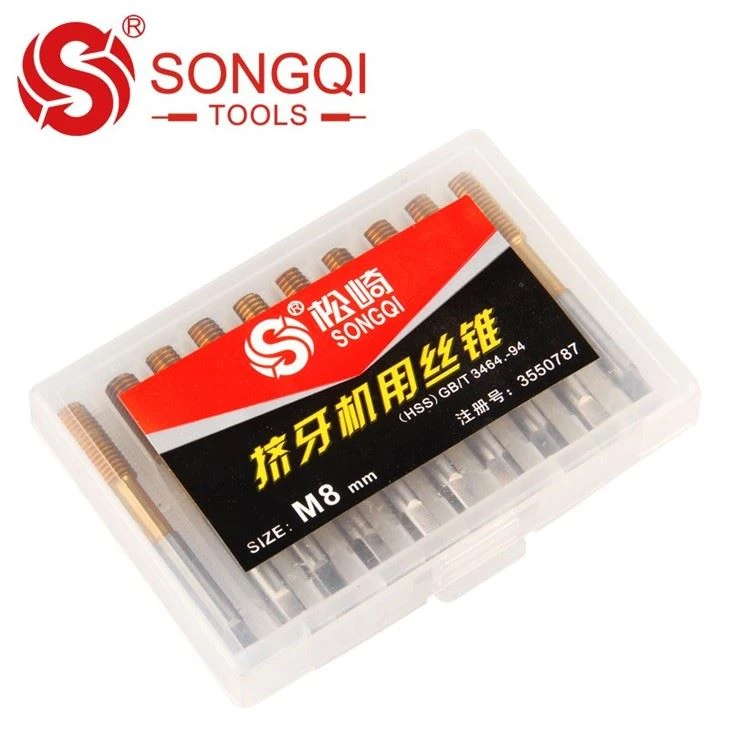
- Forming Machine Tap: Ideal for creating threads in plastic materials.
- Hex Shank Phillips PH2 Magnetic Screwdriver Power Bit: A convenient tool for driving screws into plastic.
- HSS Cobalt Hole Saw Drill Bit: Similar to Hss Hole Saws, but with the added benefit of cobalt for increased hardness and heat resistance.
- TCT 25mm Cutting Depth Hole Saw: Designed for cutting deeper holes in plastic and other materials.
Conclusion
In conclusion, Hss Hole Saws can indeed cut through plastic, but it is important to consider the type of plastic, cutting speed, feed rate, lubrication, and safety precautions. By following these guidelines, you can achieve a clean and accurate cut when using an Hss Hole Saw on plastic materials.
If you are interested in purchasing Hss Hole Saws or any of our other products for cutting plastic, we invite you to contact us for a consultation. Our team of experts is available to answer your questions and help you choose the right products for your specific needs. We look forward to working with you and providing you with high-quality power tool accessories.
References
- "Machining Plastics: A Guide to Operations and Processes" by John A. Schey
- "Plastics Materials and Processing" by R. B. Seymour and C. E. Carraher Jr.