

Can You Use a Tap and Die on Stainless Steel?
As a professional Tap and Die supplier, one of the most common questions we receive is: "Can I use a tap and die on stainless steel?"
The short answer is yes, you can use a tap and die on stainless steel, but achieving clean and accurate threads requires the right tools, proper techniques, and suitable cutting conditions.
Stainless steel is widely used across industries because of its excellent strength, corrosion resistance, and durability. However, these same properties also make it more challenging to machine compared with softer metals.
Due to its high hardness, toughness, and tendency to work harden during machining, stainless steel can generate significant stress on taps and dies. Without the correct tools and operating methods, cutting threads may result in excessive tool wear, broken taps, poor thread quality, or inaccurate results.
If you plan to use a tap and die on stainless steel, the following tips will help you achieve better threading performance and extend tool life.
1. Choose the Right Tap and Die
Selecting the correct tap and die is the first and most important step when threading stainless steel.
Not all taps and dies are designed for the same applications. Stainless steel requires tools with excellent hardness, wear resistance, and heat resistance to handle the high cutting forces involved.
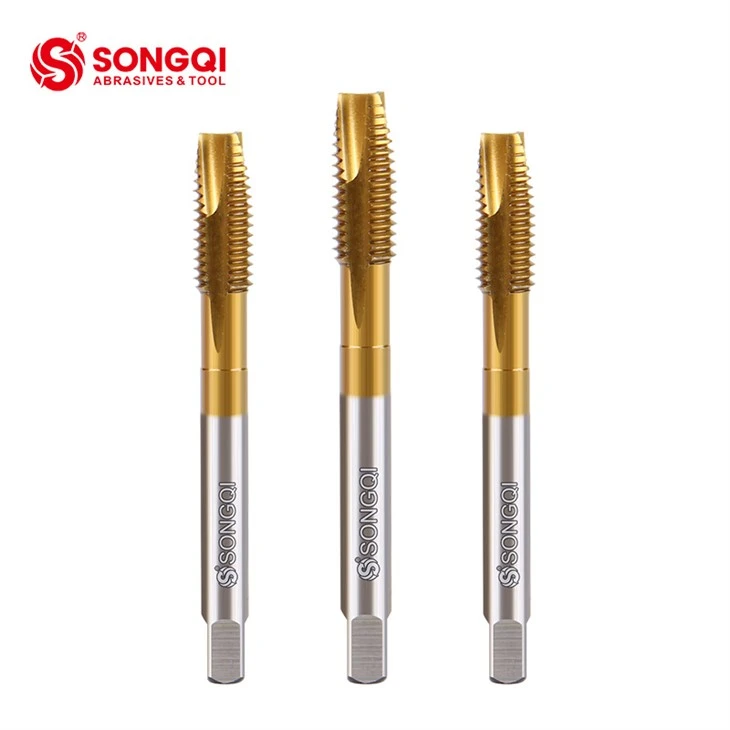
Cobalt Spiral Point Taps
Cobalt spiral point taps are an excellent choice for threading stainless steel.
The addition of cobalt improves hardness, heat resistance, and wear resistance compared with standard high-speed steel taps. This allows the tap to maintain sharp cutting performance even under demanding stainless steel threading conditions.
Spiral point taps are especially suitable for through-hole applications because their design pushes chips forward through the hole, reducing chip accumulation and improving threading efficiency.
Combined Taps
Combined taps are designed to perform multiple threading operations in a single process, helping improve efficiency and reduce processing time.
They can be a practical choice for certain stainless steel applications where productivity and convenience are important. Their ability to perform multiple operations helps reduce tool changes while maintaining consistent thread quality when used correctly.
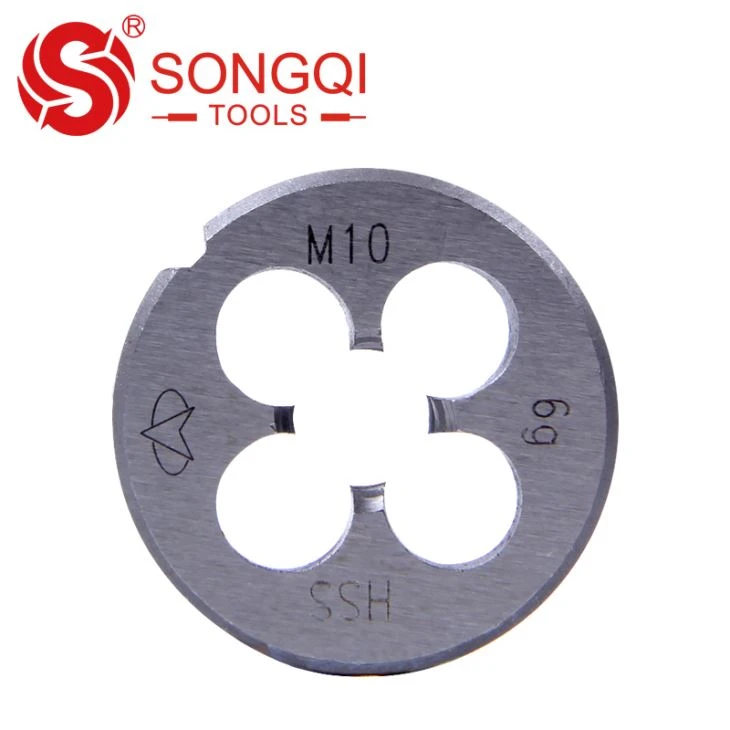
HSS Dies
For external threading, HSS (High-Speed Steel) dies are a popular choice for stainless steel applications.
High-speed steel provides excellent toughness, strength, and wear resistance, allowing the die to withstand the high pressure generated during external thread cutting.
A high-quality HSS die can produce accurate threads while maintaining reliable performance in professional and industrial applications.
2. Use the Right Lubricant
Proper lubrication is essential when threading stainless steel.
Because stainless steel generates high friction and heat during cutting, using the correct cutting lubricant helps reduce tool wear, prevent overheating, and improve thread quality.
A suitable cutting oil specifically designed for stainless steel machining is recommended.
High-performance cutting fluids provide better lubrication and cooling, helping extend the service life of taps and dies while producing cleaner and sharper threads.
Avoid dry cutting whenever possible, as excessive heat buildup can quickly damage the cutting edges.
3. Take Your Time During the Threading Process
Threading stainless steel requires patience and proper control.
Unlike softer materials, stainless steel should be machined at a controlled speed with consistent pressure. Rushing the process can increase the risk of tap breakage, damaged threads, or premature tool failure.
Tips for Using a Tap on Stainless Steel
Before tapping, drill the correct pilot hole according to the tap specification.
A properly sized hole reduces cutting resistance and helps prevent excessive stress on the tap.
When starting the tap:
Align the tap carefully with the hole to ensure straight threading.
Apply steady and moderate pressure while turning the tap clockwise.
Rotate the tap gradually without forcing it.
Reverse the tap periodically to break and remove chips.
Continue the process until the required thread depth is achieved.
Regular chip removal is especially important when working with stainless steel because trapped chips can increase cutting resistance and cause tap damage.
Tips for Using a Die on Stainless Steel
When using a die for external threading:
Ensure the die is properly aligned with the workpiece.
Apply suitable cutting lubricant before starting.
Rotate the die slowly with consistent pressure.
Reverse the die periodically to break chips and reduce cutting resistance.
Avoid excessive force, which may damage both the die and the workpiece.
Proper alignment is critical because misalignment can result in uneven threads or damaged components.
Summary
Using a tap and die on stainless steel is completely possible, but success depends on choosing the right tools and following proper machining practices.
For the best results:
Select high-quality taps and dies designed for stainless steel.
Choose cobalt spiral point taps or durable HSS dies for demanding applications.
Always use suitable cutting lubricant.
Maintain controlled cutting speed and pressure.
Remove chips regularly during the threading process.
With the correct tools and techniques, stainless steel threading can be performed efficiently while achieving accurate, clean, and durable threads.
4. Use the Right Tools
In addition to selecting the correct tap and die and applying suitable cutting lubricant, using the proper supporting tools is equally important when threading stainless steel.
A high-quality tap wrench and die stock provide better control over cutting pressure and torque, helping maintain stability during the threading process. Proper tool control reduces the risk of tap breakage, uneven threads, and damage to the workpiece.
For professional applications, using equipment such as a drill press or milling machine can significantly improve threading accuracy.
These machines help keep the tap or die properly aligned and perpendicular to the stainless steel surface, reducing the chance of misalignment and producing cleaner, more precise threads.
For high-volume production or demanding industrial applications, proper equipment selection can greatly improve efficiency, consistency, and overall thread quality.
5. Be Patient and Follow the Proper Process
Threading stainless steel can be challenging, especially for beginners.
Unlike softer materials, stainless steel requires careful control of cutting speed, pressure, lubrication, and chip removal. Trying to complete the process too quickly may lead to broken taps, damaged threads, or reduced tool life.
With the right tools, proper techniques, and sufficient experience, users can achieve clean, accurate, and durable threads in stainless steel.
If you encounter difficulties during the threading process, professional guidance can help you select the correct tools and improve your results.
As an experienced Tap and Die supplier, we are always ready to provide technical support, including recommendations for choosing suitable taps and dies based on your specific materials, applications, and working conditions.
Conclusion
So, can you use a tap and die on stainless steel?
Yes, you can. However, successful stainless steel threading requires the right combination of tools, techniques, and operating conditions.
To achieve the best results:
Choose taps and dies specifically designed for stainless steel applications.
Use appropriate cutting lubricant to reduce friction and heat.
Maintain proper cutting speed and consistent pressure.
Use suitable supporting tools to ensure accurate alignment.
Be patient and allow the tool to perform the cutting process properly.
By following these guidelines, you can produce clean, sharp, and reliable threads in stainless steel while extending the service life of your tapping tools.
If you are looking for high-quality taps and dies for stainless steel, we offer a wide range of professional threading solutions designed for different industrial applications.
Our team can help you select the right tools based on your material requirements, production needs, and application conditions.
Contact us today to discuss your requirements and find the best threading solution for your project.
References
Machinery's Handbook, 31st Edition - Threading Stainless Steel: Tips and Techniques
American Machinist - Working with Stainless Steel: A Guide for Machinists