

Solid Carbide Drill Bits vs. Carbide-Tipped Drill Bits: A Complete Comparison
When it comes to drilling operations, selecting the right drill bit is essential for achieving high efficiency, precision, and extended tool life. Among the various types of drill bits available on the market, solid carbide drill bits and carbide-tipped drill bits are two widely used options.
As a professional carbide drill bit supplier, we often receive inquiries from customers who are unsure about the differences between these two types of drill bits. In this article, we will provide a detailed comparison of solid carbide drill bits and carbide-tipped drill bits, helping you understand their structure, performance, applications, and cost advantages so you can choose the right solution for your drilling needs.
Composition and Structure
The fundamental difference between solid carbide drill bits and carbide-tipped drill bits lies in their material composition and construction.
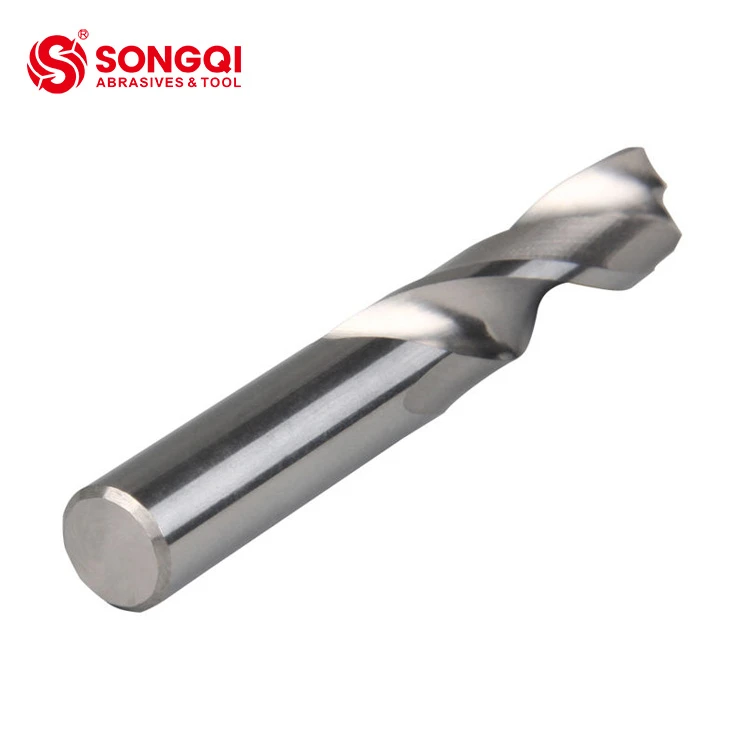
A solid carbide drill bit is manufactured entirely from carbide, a high-performance material consisting of tungsten carbide particles bonded together with a metallic binder, typically cobalt. This uniform structure provides exceptional hardness, wear resistance, and thermal stability.
Because the entire drill body is made of carbide, solid carbide drill bits can withstand high cutting forces and maintain excellent edge sharpness during high-speed machining. They are especially suitable for precision drilling applications where dimensional accuracy, surface quality, and productivity are critical.
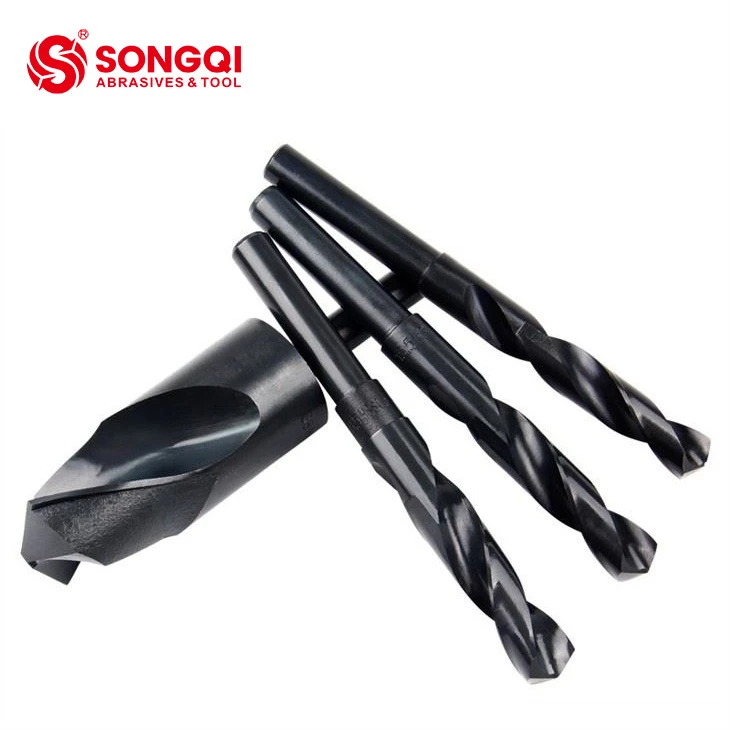
In comparison, a carbide-tipped drill bit consists of a steel body with a carbide cutting tip brazed or welded onto the cutting edge. The steel body provides toughness and flexibility, while the carbide tip delivers the hardness and wear resistance required for cutting performance.
This hybrid construction reduces manufacturing costs because it uses less carbide material. However, the overall performance and durability of carbide-tipped drill bits can be influenced by factors such as the quality of the brazing process, bonding strength between carbide and steel, and the durability of the steel shank.
Performance and Applications
The differences in structure and material composition directly affect the cutting performance and suitable applications of solid carbide drill bits and carbide-tipped drill bits.
Cutting Speed and Feed Rate
Solid carbide drill bits are capable of operating at higher cutting speeds and feed rates compared with carbide-tipped drill bits. This is mainly because the solid carbide structure provides excellent rigidity, heat resistance, and wear resistance.
During high-speed machining, solid carbide effectively withstands elevated cutting temperatures while maintaining its cutting edge performance. As a result, it delivers faster drilling speeds, improved productivity, and longer tool life, especially when machining difficult-to-cut materials such as stainless steel, titanium alloys, and hardened steels.
Cutting Speed and Feed Rate
Carbide-tipped drill bits, on the other hand, are generally operated at lower cutting speeds and feed rates compared with solid carbide drill bits. Since the drill body is made of steel, it is more susceptible to heat accumulation during machining. Excessive heat can accelerate wear on the carbide tip, reduce cutting performance, and shorten tool life.
Therefore, carbide-tipped drill bits are typically more suitable for general drilling applications involving softer materials, such as aluminum, brass, mild steel, and other non-hardened materials where cost efficiency is a key consideration.
Hole Quality
Solid carbide drill bits are widely recognized for their excellent hole quality and machining accuracy. The high hardness, rigidity, and wear resistance of carbide enable the cutting edges to maintain their sharpness over extended periods, producing clean, precise holes with reduced burr formation and improved surface finish.
In addition, the high stiffness of solid carbide minimizes tool deflection and vibration during drilling, helping achieve better hole positioning accuracy and tighter dimensional tolerances. This makes solid carbide drill bits an ideal choice for precision machining applications where consistency and accuracy are critical.
Carbide-tipped drill bits can also deliver good hole quality when used under suitable cutting conditions. However, compared with solid carbide drill bits, the steel body has relatively lower rigidity, which may result in increased vibration or slight tool deflection during machining.
This can affect hole accuracy, especially in high-speed drilling or precision applications. Nevertheless, with proper tool selection, machine setup, and optimized cutting parameters, carbide-tipped drill bits can still provide reliable performance for many general drilling operations.
Tool Life
Solid carbide drill bits generally provide longer tool life compared with carbide-tipped drill bits, especially in demanding machining environments. The uniform carbide structure offers excellent resistance to wear, heat, and edge chipping, allowing the tool to maintain stable cutting performance over longer periods.
Additionally, solid carbide drill bits can often be professionally reconditioned and resharpened multiple times, which helps extend their overall service life and reduce long-term tooling costs.
Carbide-tipped drill bits typically have a shorter service life compared with solid carbide drill bits, particularly under heavy-duty cutting conditions. The carbide tip is attached to the steel body through brazing or welding, and the joint area may become a potential weak point under excessive heat, impact, or vibration.
Once the carbide tip becomes severely worn or damaged, replacement is usually more practical than repairing or resharpening, as the reconditioning process can be complex and costly.
Application Range
Solid carbide drill bits are designed for high-performance drilling applications that require high accuracy, excellent surface finish, and long tool life. They are widely used in industries such as aerospace, automotive, medical equipment, mold making, and precision machining.
They are especially suitable for drilling challenging materials, including stainless steel, titanium alloys, hardened steels, and other difficult-to-machine materials.
Carbide-tipped drill bits are commonly used for general-purpose drilling applications where durability and cost-effectiveness are the primary considerations. They are widely applied in industries such as woodworking, construction, metal fabrication, and general maintenance.
For applications where extreme precision and high cutting speeds are not required, carbide-tipped drill bits provide a practical and economical drilling solution.
Cost and Value
Cost is another important factor when selecting between solid carbide drill bits and carbide-tipped drill bits.
Solid carbide drill bits generally have a higher initial purchase cost because they are manufactured entirely from carbide, a premium cutting tool material. The production process is also more complex compared with carbide-tipped tools.
However, the higher investment is often justified by their superior cutting performance, longer tool life, higher machining efficiency, and reduced tool replacement frequency. In high-volume production environments, solid carbide drill bits can provide better overall value and lower cost per hole.
Carbide-tipped drill bits offer a more economical alternative because they combine a carbide cutting edge with a steel body, significantly reducing carbide consumption and manufacturing costs.
They are an excellent choice for applications where budget control is important and extremely high precision or productivity is not required.
Conclusion
In summary, both solid carbide drill bits and carbide-tipped drill bits have their own advantages and are designed for different drilling requirements.
Solid carbide drill bits provide superior rigidity, higher cutting speeds, better hole accuracy, and longer tool life, making them ideal for precision machining and demanding industrial applications. However, they require a higher initial investment.
Carbide-tipped drill bits offer a cost-effective solution with good cutting performance and are well suited for general drilling applications, especially when machining softer materials and where cost efficiency is a priority.
When selecting the right drill bit, it is important to consider factors such as the workpiece material, required hole accuracy, machining conditions, production volume, and budget.
If your application involves hard materials, high-speed machining, or strict precision requirements, solid carbide drill bits are usually the preferred choice. For general drilling tasks where cost effectiveness is more important, carbide-tipped drill bits may provide a more suitable solution.
Reliable Carbide Drill Bit Solutions
As a professional carbide drill bit supplier, we provide a comprehensive range of drilling solutions to meet different industrial requirements, including:
HSS M2 Twist Drill Bits
HSS Cobalt Taper Drill Bits
SDS Max Drill Bits
Solid Carbide Drill Bits
Reduced Shank Twist Drill Bits
Whether you need standard drilling tools or customized solutions, we can help you select the right drill bit according to your application requirements.
If you have any questions about drill bit selection or require technical support, please feel free to contact us. Our team is always ready to provide professional solutions for your drilling needs.