

Do Combined Taps Require a Specific Water Supply System?
As a supplier of combined taps, one question we frequently receive from customers is whether these taps require a specific water supply system. The answer depends on the type of water supply system in your home and the operating requirements of the tap.
In this article, we'll explain how combined taps work, introduce the main types of water supply systems, and help you understand which system is suitable for your installation.
Understanding Combined Taps
First, let's take a closer look at what combined taps are.
Combined taps are designed to supply both hot and cold water through a single tap, allowing users to adjust the water temperature and flow rate conveniently. By mixing hot and cold water within the tap, users can achieve their desired temperature with a simple adjustment.
Available in a wide range of styles and designs, combined taps can complement various bathroom and kitchen interiors, from contemporary and minimalist spaces to more traditional settings.
The Basics of Water Supply Systems
Before determining whether combined taps require a specific water supply system, it's important to understand the two main types commonly used in residential properties: gravity-fed systems and pressurized systems.
Each system works differently and provides different water pressure levels, which can affect the performance and compatibility
Gravity-Fed vs. Pressurized Water Supply Systems
Gravity-fed systems use gravity to deliver water from a storage tank to taps and other plumbing fixtures. They are commonly found in older residential properties. Typically, these systems have a cold water storage tank installed in the attic or loft and a hot water cylinder located in an airing cupboard.
The water pressure in a gravity-fed system depends largely on the vertical distance between the storage tank and the tap. Generally, the greater the height difference, the higher the available water pressure.
Pressurized water systems, on the other hand, supply water under pressure. They may receive water directly from the mains supply or use a pump to increase pressure from a storage tank. These systems are widely used in modern homes and can provide higher and more consistent water pressure, depending on the system design.
Do Combined Taps Require a Specific Water Supply System?
In most cases, combined taps do not require one particular type of water supply system. However, their performance depends on several important factors, particularly water pressure and compatibility with the existing plumbing system.
Before choosing a combined tap, it's essential to understand the requirements of your water supply system.
1. Water Pressure
Water pressure is one of the most important factors affecting the performance of combined taps.
For optimal operation, the hot and cold water supplies should have compatible pressure levels. A significant difference between the two supplies may affect water flow and make it difficult to maintain a consistent water temperature.
In gravity-fed systems, low water pressure can sometimes be a concern, particularly when the storage tank is installed relatively close to the tap. Depending on the tap's requirements, a suitable booster pump may be needed to improve water pressure.
In pressurized systems, water pressure is generally more consistent. However, it's still important to check that the hot and cold water supplies have compatible pressure levels to ensure smooth operation.
Always refer to the manufacturer's recommended minimum and maximum operating pressures before installation.
2. Water Supply Compatibility
Another important consideration is compatibility.
Not all combined taps are designed to work with every type of water supply system. Some models are specifically designed for high-pressure systems, while others are suitable for both low-pressure and high-pressure applications.
Choosing the wrong tap may result in poor water flow, inconsistent temperature control, or unsatisfactory performance.
To avoid these problems, check the manufacturer's technical specifications before purchasing. Pay particular attention to the recommended operating pressure and water supply requirements.
If you are unsure which model is suitable for your plumbing system, consulting a qualified plumber or water supply specialist is always a good idea.
Tools You May Need for Installation
Having the right tools is important for achieving accurate installation and ensuring a reliable result. Depending on the installation requirements and the materials involved, some of the following tools may be useful:
TCT Hole Saw: Suitable for cutting precise holes in compatible materials, such as certain metal or composite surfaces. The correct cutting type should be selected according to the sink or countertop material.
Hex Shank Phillips PH2 Magnetic Screwdriver Power Bit: Designed for tightening and loosening Phillips-head screws, making it useful for various assembly and installation tasks.
Forming Tap: Used to create threads in suitable metal materials through a thread-forming process, without cutting away material.
TCT Concrete Hole Saw Cutter Set: Designed for drilling holes in suitable concrete or masonry applications. It may be required when plumbing work involves drilling through concrete surfaces.
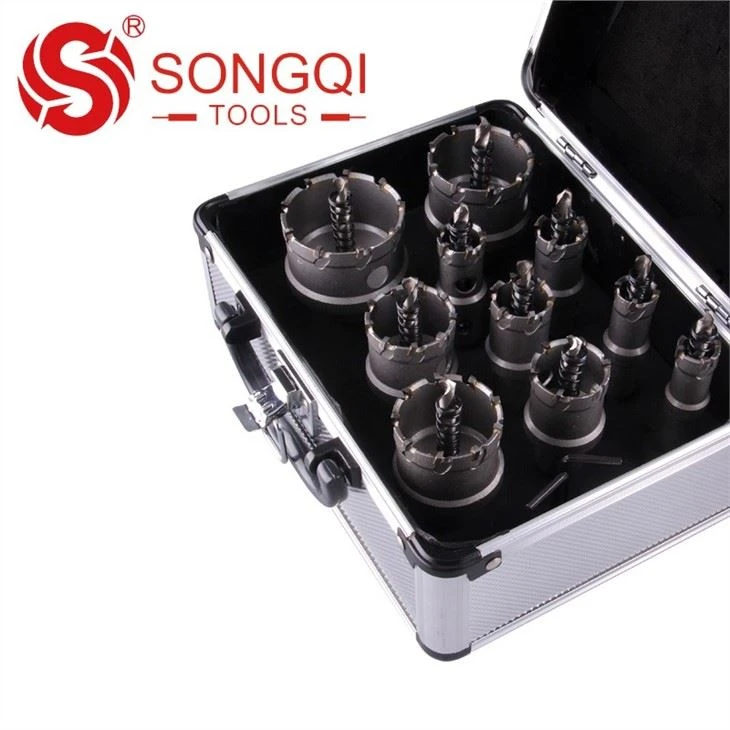
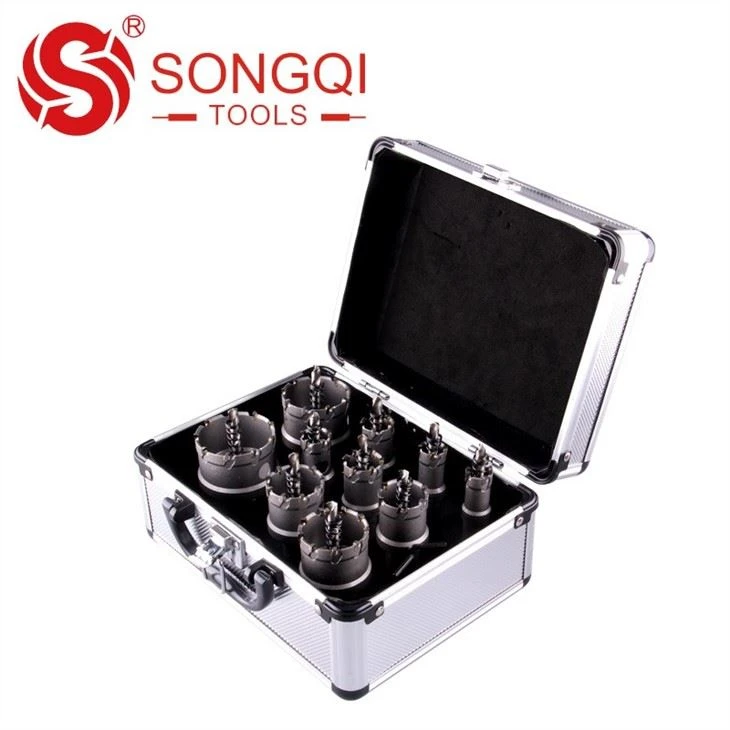
SONGQI TCT Carbide Hole Saw Set: A versatile cutting solution for making holes in compatible materials, depending on the specific cutter design and application.
Please note that these tools are intended for different drilling, cutting, and threading applications. They are not all essential for standard combined tap installation. Always select tools according to the installation material and manufacturer's recommendations.
Installation Tips for Combined Taps
Proper installation is essential for ensuring reliable performance and preventing potential plumbing problems. Here are four practical tips to keep in mind:
Turn Off the Water Supply: Before starting installation, shut off the water supply to the relevant plumbing lines. Open the existing tap to release any remaining water pressure and drain residual water where necessary.
Follow the Manufacturer's Instructions: Carefully read the installation manual and check the product specifications before beginning. Different combined tap models may have different connection requirements.
Use the Correct Tools: Choose suitable tools for the installation materials and connection components. Using the wrong tools may damage fittings, threads, or surrounding surfaces.
Check for Leaks: Once installation is complete, gradually restore the water supply and inspect all connections for leaks. Check both hot and cold water functions to ensure the tap operates correctly. If leaks occur, shut off the supply and inspect the seals and connections before tightening or replacing any components.
Conclusion
So, do combined taps require a specific water supply system?
Generally, no. Most combined taps can work with different water supply systems, provided that the water pressure and plumbing connections meet the manufacturer's requirements.
The two most important factors to consider are water pressure and system compatibility. Before purchasing a combined tap, always check its technical specifications and confirm that it is suitable for your existing plumbing system.
Proper product selection and professional installation will help ensure reliable performance, consistent water flow, and a better user experience.
If you are looking for high-quality combined taps or need advice on selecting the right model for your water supply system, feel free to contact us. Our team will be happy to help you find a suitable solution for your project.
References
Plumbing For Dummies – Roy Barnhart.
*The Homeowner's DIY Plumbing H