

How Does a Tap & Die Factory Source Its Raw Materials?
When purchasing taps and dies, many buyers focus on product specifications, cutting performance, durability, and price. However, one important factor behind consistent tool quality is often overlooked: raw material sourcing.
As a Tap & Die manufacturer and supplier, we understand that the quality of raw materials directly influences the performance, service life, and consistency of finished cutting tools.
In this article, we'll explain how raw materials are selected and sourced in a tap and die factory, what materials are commonly used, and how suppliers manage material quality throughout the manufacturing process.
1. Understanding the Raw Materials Used in Tap & Die Production
The performance of taps and dies largely depends on the steel used in their production. Different applications require different material properties, such as hardness, toughness, wear resistance, and heat resistance.
The most commonly used materials include high-speed steel (HSS), cobalt-alloyed high-speed steel, and other specialized tool steels.
1. High-Speed Steel (HSS)
High-speed steel is one of the most widely used materials for manufacturing taps and dies.
It offers a good balance of hardness, toughness, wear resistance, and cost, making it suitable for a broad range of threading applications.
Common HSS grades include M2 and other grades selected according to the required tool performance and manufacturing specifications.
HSS is widely used in:
Hand taps
Machine taps
Spiral flute taps
Spiral point taps
Threading dies
For manufacturers, selecting the appropriate HSS grade is essential to achieving consistent cutting performance and tool life.
2. Cobalt-Alloyed High-Speed Steel
For more demanding threading applications, cobalt-alloyed high-speed steel may be used.
Cobalt is added as an alloying element to improve the hot hardness and heat resistance of the steel. This helps cutting tools maintain their hardness under elevated cutting temperatures.
Common examples include M35 and M42, although the appropriate grade depends on the application and product requirements.
Cobalt-alloyed HSS is commonly selected for applications involving:
Stainless steel
Alloy steel
Other difficult-to-machine materials, depending on the tool design and cutting conditions.
For example, a Cobalt HSS Spiral Point Machine Tap can be designed for suitable machine-threading applications where improved heat resistance is required.
3. Other Special Tool Steels
Some threading applications require specific material properties that may not be fully covered by standard HSS grades.
Depending on customer requirements, manufacturers may consider other specialized tool steels with different combinations of toughness, wear resistance, and hardness.
Material selection should always be based on the intended workpiece material, thread specifications, cutting conditions, and required tool performance.
2. How Does a Tap & Die Factory Source Raw Materials?
A reliable raw material supply is essential for maintaining stable production and consistent product quality.
Most professional manufacturers use a combination of sourcing channels rather than relying on a single supplier.
1. Direct Sourcing from Steel Manufacturers
One common sourcing method is purchasing raw materials directly from steel manufacturers or mills.
This approach offers several advantages:
More Control Over Material Specifications
Direct communication with steel manufacturers allows the factory to specify the required steel grade, dimensions, chemical composition, and other technical requirements.
Better Batch Consistency
Working with qualified steel manufacturers over the long term can help improve consistency between material batches.
Long-Term Supply Relationships
Stable cooperation can support production planning, material availability, and cost management.
For example, when purchasing HSS for tap and die production, manufacturers need to confirm that the supplied material meets the required grade and relevant technical specifications.
2. Purchasing Through Professional Distributors
In addition to direct sourcing, tap and die factories may purchase materials through professional steel distributors.
Distributors are particularly useful when manufacturers need:
Smaller quantities of specific steel grades.
Materials that are not regularly stocked by their direct suppliers.
Faster delivery for urgent production requirements.
Access to a wider range of material specifications.
However, distributor selection requires careful evaluation.
A reliable distributor should be able to provide material documentation, traceable batch information, and consistent product quality.
Manufacturers should also establish clear acceptance criteria and inspect incoming materials before they enter production.
3. Developing Long-Term Supplier Partnerships
Beyond individual purchases, building long-term relationships with qualified raw material suppliers is an important part of supply chain management.
A stable supplier relationship helps manufacturers improve:
Material supply planning.
Delivery reliability.
Quality consistency.
Cost control.
Technical communication.
Regular supplier evaluations and performance reviews also help identify potential risks before they affect production.
3. How Do Manufacturers Control Raw Material Quality?
Purchasing materials from reliable suppliers is only the first step. Incoming quality inspection is equally important.
Before raw materials are approved for production, a professional tap and die factory should establish inspection procedures based on its technical requirements.
Key inspection areas include:
1. Material Grade Verification
Check whether the supplied material matches the specified steel grade and purchase requirements.
2. Chemical Composition
Review material certificates or conduct appropriate testing to verify the chemical composition.
3. Hardness and Mechanical Properties
Check relevant properties according to the material specification and intended manufacturing process.
4. Surface and Dimensional Inspection
Inspect the material for visible defects, dimensional deviations, and other nonconformities.
5. Batch Traceability
Maintain records linking incoming materials to suppliers, material certificates, inspection results, and production batches.
These procedures help reduce the risk of inconsistent materials entering the manufacturing process.
4. Why Raw Material Sourcing Matters to Overseas Buyers
For international distributors, wholesalers, and industrial buyers, raw material sourcing is more than an internal factory management issue.
It directly affects the quality and reliability of the products they purchase.
Here are three important reasons why buyers should pay attention to it.
Consistent Product Quality
Stable raw material specifications help manufacturers maintain more consistent product performance across different production batches.
Reliable Production Planning
A stable supply chain reduces the risk of material shortages and unexpected production delays.
Better Quality Traceability
Material certificates and batch records provide useful information when buyers need to investigate quality issues or verify product specifications.
When evaluating a tap and die supplier, buyers should not only compare prices. They should also understand how the manufacturer selects, inspects, and manages its raw materials.
Conclusion
Raw material sourcing is a fundamental part of tap and die manufacturing.
From selecting suitable HSS grades to evaluating steel suppliers and implementing incoming material inspections, every step contributes to the quality and consistency of the finished products.
At SONGQI, we believe that reliable cutting tools start with proper material selection and disciplined quality management.
Whether you are sourcing hand taps, machine taps, spiral point taps, spiral flute taps, or threading dies, choosing a manufacturer with a well-managed material supply chain is an important step toward building a reliable long-t

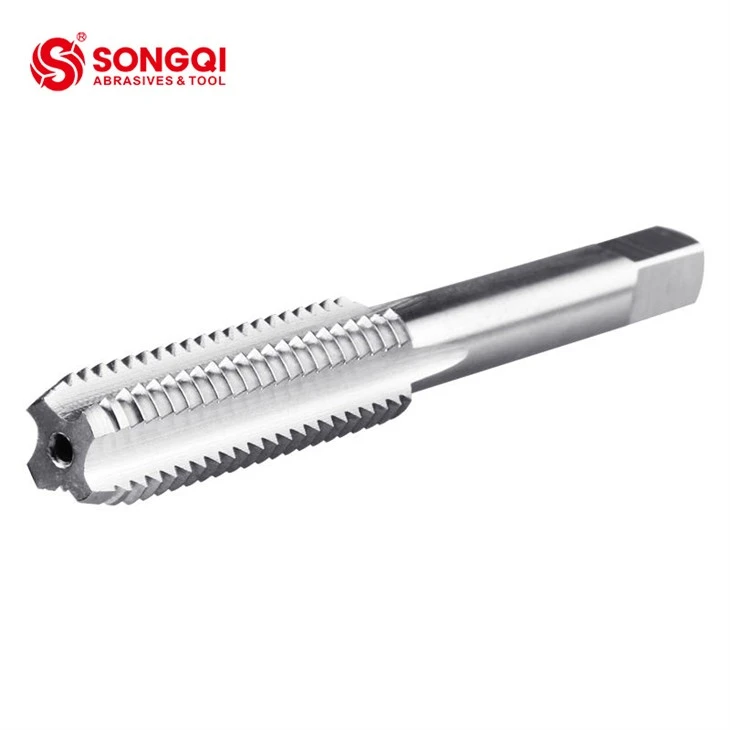
3. Scrap and Recycling
We also make use of scrap and recycled materials. Recycling is not only good for the environment but also helps to reduce costs. We collect scrap taps and dies from our own production process and from other sources, then recycle them into new raw materials.
This process requires advanced technology to ensure that the recycled materials have the same quality as the virgin ones. We use state - of - the - art smelting and refining techniques to purify and re - alloy the scrap materials. This way, we can give a second life to these materials and contribute to a more sustainable manufacturing process.
Quality Control in Sourcing
Quality control is a critical aspect of raw material sourcing. We have a multi - step quality control process in place to ensure that every batch of raw materials meets our high standards.
1. Pre - Purchase Inspection
Before making a purchase, we conduct a pre - purchase inspection of the raw materials. This involves checking the material's physical properties, such as hardness, density, and chemical composition. We use advanced testing equipment, including spectrometers and hardness testers, to perform these tests.
For example, when sourcing cobalt - alloyed materials, we need to make sure that the cobalt content is within the specified range. A deviation in the cobalt content can significantly affect the performance of the final tap or die product.
2. In - House Testing
Once the raw materials arrive at our factory, we conduct in - house testing. This includes further testing of the material's mechanical properties, such as tensile strength and toughness. We also perform a visual inspection to check for any surface defects or impurities.
If any issues are detected during the in - house testing, we immediately contact the supplier and work with them to resolve the problem. This may involve returning the batch of materials or negotiating a replacement.
3. Continuous Monitoring
We continuously monitor the quality of the raw materials throughout the production process. We take samples at different stages of production and test them to ensure that the materials are performing as expected.
This continuous monitoring helps us to identify any potential quality issues early on and make necessary adjustments to the production process.
Factors Affecting Sourcing Decisions
Several factors influence our sourcing decisions. These factors need to be carefully considered to ensure that we are getting the best value for our money while maintaining high - quality standards.
1. Cost
Cost is, of course, a significant factor. We need to balance the quality of the raw materials with their cost. While we always prioritize quality, we also look for ways to optimize our costs. This may involve negotiating better prices with suppliers, finding more cost - effective sourcing channels, or using recycled materials.
2. Quality
As mentioned earlier, quality is non - negotiable. We cannot compromise on the quality of the raw materials as it directly affects the performance and durability of our tap and die products. We are willing to pay a premium for high - quality materials if it means producing better - quality products in the long run.
3. Availability
The availability of raw materials is another important consideration. We need to ensure that we have a steady supply of materials to meet our production deadlines. We often work with multiple suppliers to mitigate the risk of supply disruptions.
4. Sustainability
In today's world, sustainability is becoming increasingly important. We are committed to sourcing raw materials in an environmentally friendly way. This includes using recycled materials and working with suppliers who have sustainable production practices.
New Product Development and Raw Material Sourcing
When it comes to new product development, raw material sourcing plays a crucial role. We work closely with our R & D team to identify the most suitable raw materials for new tap and die designs.
For example, if we are developing a new type of Combined Taps that needs to have better performance in specific materials, we may need to source new alloys or modify the existing ones. We collaborate with our suppliers to develop custom - made materials that meet the unique requirements of the new product.
Conclusion
Sourcing raw materials for a Tap & Die factory is a complex but essential process. We use a variety of sourcing channels, implement strict quality control measures, and consider multiple factors when making sourcing decisions. By doing so, we can ensure that we produce high - quality tap and die products that meet the needs of our customers.
If you're in the market for taps and dies and want to discuss your requirements, I'd love to have a chat. Whether it's about the materials, the product features, or the pricing, I'm here to help you make the best choice for your business.
References
- [1] "Metals for Cutting Tools" by Johnson, A., Smith, B. (2018)
- [2] "Sustainable Sourcing in Manufacturing" by Green, C. (2020)
- [3] "Advanced Tap and Die Manufacturing Technologies" by Brown, D. (2019)