

How to Choose the Right Metal Drill Bit for Your Project?
Drilling through metal is completely different from drilling through wood, plastic, or drywall. If you have ever tried using a standard drill bit on a steel plate, you may have experienced common problems such as overheating, smoke, rapid wear, or poorly finished holes.
The key to achieving clean, accurate, and efficient drilling results is choosing the right metal drill bit for the specific application.
In this guide, we will explain the different types of metal drill bits, the materials they are designed for, and how to select the best option for your project.
1. Understand the Types of Metal Drill Bits
Not all metal drill bits are designed for the same purpose. Different materials, coatings, and manufacturing processes determine their cutting performance, durability, and suitable applications.
Below are the most common types of metal drill bits:
HSS (High-Speed Steel) Drill Bits
HSS drill bits are the most widely used and cost-effective option for general metal drilling applications.
Manufactured from high-speed steel alloys containing elements such as tungsten, molybdenum, and chromium, HSS bits provide a good balance of hardness, toughness, and heat resistance.
They are suitable for drilling common metals such as mild steel, aluminum, brass, and copper under moderate cutting speeds.
Due to their versatility and affordability, HSS drill bits are a popular choice among DIY users, maintenance professionals, and light industrial applications.
Cobalt Drill Bits (HSS-Co)
Cobalt drill bits are enhanced versions of HSS drill bits, with cobalt alloy typically added to improve hardness and heat resistance.
Containing approximately 5%-8% cobalt, these drill bits can withstand higher temperatures and maintain cutting performance for longer periods compared with standard HSS bits.
They are especially suitable for drilling hard and challenging materials such as stainless steel, cast iron, and high-strength metal alloys.
For projects involving tough materials, heavy-duty drilling, or applications where heat buildup is a major concern, cobalt drill bits provide excellent durability and reliability.
Titanium-Coated Drill Bits (TiN / TiAlN)
Titanium-coated drill bits are usually made from HSS and coated with advanced materials such as Titanium Nitride (TiN) or Titanium Aluminum Nitride (TiAlN).
The coating reduces friction, improves heat resistance, and enhances wear resistance, allowing the drill bit to maintain sharp cutting performance for a longer period compared with conventional uncoated HSS bits.
These drill bits are ideal for applications where higher drilling speed, improved efficiency, and extended tool life are required.
However, it is important to note that sharpening removes the coating from the cutting edge, which may reduce the performance advantages of the original coating.
Carbide-Tipped Drill Bits
Carbide-tipped drill bits are designed for extremely demanding drilling applications where high hardness and wear resistance are required.
Carbide is one of the hardest cutting materials available, making these drill bits suitable for drilling hardened steel, abrasive materials, cast iron, and certain ceramic materials.
Unlike solid carbide drill bits, carbide-tipped designs combine a carbide cutting tip with a steel body, providing improved impact resistance and durability.
They are commonly used in specialized industrial applications where standard HSS and cobalt drill bits cannot provide sufficient performance.
2. Match the Bit to Your Material
| Material | Recommended Bit Type | Notes |
|---|---|---|
| Mild Steel | HSS or TiN-coated | Most common application |
| Stainless Steel | Cobalt (HSS-Co) | Use low speed, steady pressure |
| Aluminum | HSS (bright finish) | Sharp point angle (118°) works best |
| Cast Iron | Cobalt or Carbide | Hard and abrasive - go slow |
| Brass & Copper | HSS | Reduce point angle to prevent grabbing |
| Titanium Alloys | Cobalt or Carbide | High heat resistance required |
3. Key Features to Look For in a Metal Drill Bit
Choosing the right metal drill bit is not only about the material. Design features such as point angle, flute geometry, and shank type also have a significant impact on drilling performance, accuracy, and tool life.
Point Angle
118° Point Angle
A 118° point angle is the standard design for general-purpose metal drilling applications.
It provides a good balance between cutting efficiency and durability, making it suitable for commonly used materials such as mild steel, aluminum, brass, and other softer metals.
135° Point Angle
A 135° point angle, often combined with a split-point design, helps reduce walking during drilling and requires less force to penetrate the material.
This design improves drilling accuracy and is particularly suitable for harder metals, stainless steel, and applications requiring better control and reduced cutting pressure.
Flute Design
The flute design directly affects chip removal, heat control, and overall drilling efficiency.
Wider or parabolic flutes allow faster chip evacuation and help reduce heat buildup, making them especially useful when drilling deeper holes or working with materials that generate more chips.
Standard flute designs are suitable for most general drilling applications, particularly shallow holes in common metals.
Shank Type
The shank design determines compatibility with different drilling machines and affects drilling stability.
Straight Shank
Straight shank drill bits are the most common type and are compatible with standard drill chucks.
They are widely used for general-purpose drilling in workshops, maintenance applications, and DIY projects.
Reduced Shank
Reduced shank drill bits feature a larger cutting diameter with a smaller shank size.
For example, a 1/2-inch drill bit with a 3/8-inch shank allows larger holes to be drilled using standard drill chucks that cannot accept larger shank diameters.
They are commonly used when larger drilling capacity is required without changing equipment.
Hex Shank
Hex shank drill bits are designed for quick-change systems and impact drivers.
They provide convenient tool changes and improved grip, although they are generally more suitable for light-duty drilling applications and softer metals rather than heavy-duty metal machining.
4. Tips for Drilling Metal Like a Professional
Using the correct drilling technique is just as important as choosing the right drill bit. Proper operation can significantly improve hole quality and extend tool life.
Use a Center Punch
Before drilling, mark the drilling position with a center punch.
This creates a small indentation that helps prevent the drill bit from wandering and ensures a more accurate starting point.
Start Slowly, Then Increase Speed
Begin drilling at a lower speed to allow the cutting edges to properly engage with the material.
Starting at excessive speed can generate unnecessary heat and quickly damage the cutting edge.
Once the hole has been established, gradually increase the drilling speed according to the material and drill bit specifications.
Apply Cutting Fluid
Using cutting fluid or lubricant is essential when drilling metal.
It reduces friction, controls heat generation, improves surface finish, and significantly extends drill bit life.
For aluminum applications, light lubricants such as WD-40 may be suitable. For steel and stainless steel, professional cutting oils or metalworking fluids provide better protection and performance.
Apply Steady and Proper Pressure
Allow the drill bit to perform the cutting work rather than forcing it excessively.
Insufficient pressure can cause the bit to rub against the material, creating heat without effective cutting. Excessive pressure may damage the cutting edges or cause the bit to break.
The ideal pressure is achieved when the drill produces consistent chips and maintains stable cutting performance.
Use Peck Drilling for Deep Holes
For holes deeper than approximately three times the drill bit diameter, a peck drilling technique is recommended.
This involves drilling a short distance, retracting the bit to remove chips, and then continuing the drilling process.
Peck drilling helps prevent chip buildup, reduces overheating, and improves drilling efficiency.
Deburr the Hole After Drilling
After completing the drilling process, use a countersink tool or deburring tool to remove sharp edges from both sides of the hole.
Proper deburring improves safety, enhances the final appearance, and provides a cleaner professional finish.
5. When to Replace Your Metal Drill Bit
A worn or damaged drill bit not only reduces efficiency but can also affect safety and drilling accuracy.
Watch for the following signs that indicate your drill bit needs replacement:
The drill bit produces squealing sounds or excessive vibration instead of cutting smoothly.
Metal chips appear as fine powder rather than clean, continuous spirals.
Excessive force is required to continue drilling.
The drilled hole becomes oversized, uneven, or has poor surface quality.
The cutting edges appear visibly worn, chipped, or damaged.
A high-quality metal drill bit set, when properly maintained with suitable cutting speeds, lubrication, and correct operating methods, can provide reliable performance through hundreds of drilling operations.
Investing in professional-grade drill bits not only improves work efficiency but also reduces downtime, replacement costs, and operator fatigue.

Conclusion
Choosing the right metal drill bit comes down to three questions:
What metal are you drilling? - This determines the bit material.
How many holes? - For high-volume work, invest in cobalt or coated bits.
What quality do you need? - Precision work demands sharp, high-quality bits with the correct point angle.
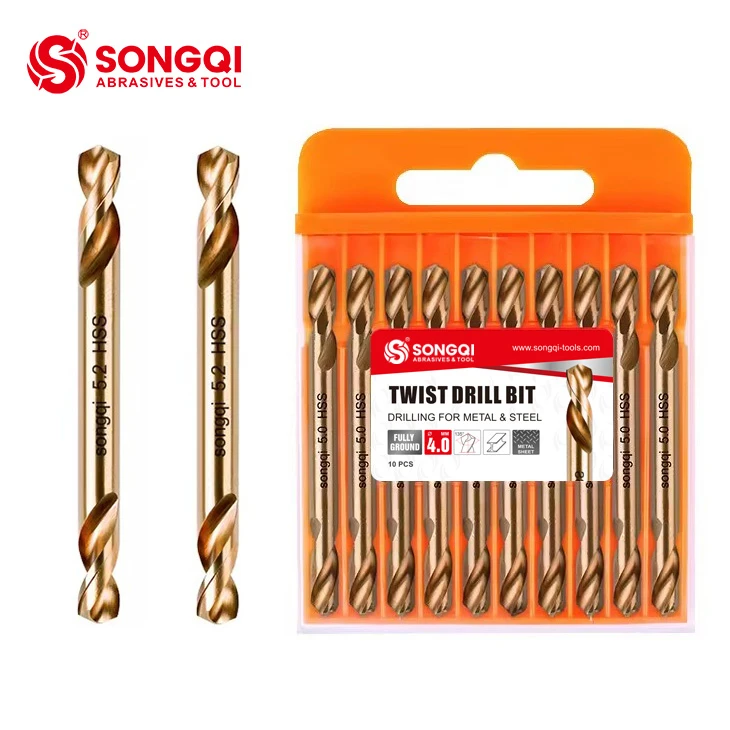
Whether you're working on a home improvement project or running a production shop, Songqi offers a full range of HSS, cobalt, and titanium-coated drill bits designed for performance and durability. Pick the right bit, follow the tips above, and you'll get clean, accurate holes every time.