

What Is the Heat Resistance of a TCT Hole Saw?
Heat resistance is an important factor affecting the performance, service life, and reliability of a TCT hole saw.
During hole-sawing operations, friction between the carbide teeth and the workpiece generates heat. If cutting conditions are not properly controlled, excessive heat can accelerate tooth wear, affect the brazed joints, and reduce the overall cutting performance of the tool.
As a supplier of TCT hole saws, we understand the importance of controlling heat during cutting. In this article, we will explain what heat resistance means for a TCT hole saw, what factors influence it, and how proper cutting conditions can help improve tool life.
Understanding TCT Hole Saws
TCT stands for Tungsten Carbide Tipped.
Unlike conventional HSS hole saws, TCT hole saws use tungsten carbide tips or teeth that are attached to a steel body, typically by brazing.
Tungsten carbide is known for its high hardness, wear resistance, and ability to maintain good cutting performance when machining many hard or abrasive materials.
Depending on the design, TCT hole saws can be used for applications involving materials such as:
Mild steel
Stainless steel
Cast iron
Aluminum
Wood
Plastics
Composite materials
Certain building materials
The specific material compatibility depends on the carbide grade, tooth geometry, hole-saw design, and recommended cutting conditions.
What Does Heat Resistance Mean?
Heat resistance in a TCT hole saw refers to the tool's ability to maintain its mechanical integrity and cutting performance under the temperatures generated during operation.
Heat is naturally produced during cutting because of:
Friction between the teeth and workpiece
Plastic deformation of the workpiece material
Cutting forces
Inadequate cutting speed or feed
Insufficient cooling or lubrication
Excessive temperature can negatively affect different parts of the hole saw.
1. Carbide Tooth Performance
Tungsten carbide has excellent hardness and wear resistance, but its performance can still be affected by excessive cutting temperatures and thermal cycling.
Under normal operating conditions, the carbide teeth are designed to withstand the heat generated during cutting.
However, excessive heat can accelerate wear, promote chipping, or contribute to deterioration of the cutting edge, particularly when combined with excessive cutting pressure or vibration.
Therefore, good heat management is essential for maintaining consistent cutting performance.
2. Brazed Joint Reliability
The connection between the carbide teeth and the steel body is another critical consideration.
TCT hole saw teeth are commonly attached through a brazing process. Excessive heat during cutting, especially when combined with poor brazing quality or severe operating conditions, can place additional stress on the brazed joints.
In extreme cases, excessive thermal stress may contribute to tooth loosening or joint failure.
This is one reason why proper brazing quality and controlled cutting conditions are important for TCT hole-saw safety and durability.
3. Steel Body Stability
The steel body of the hole saw must also maintain sufficient strength and dimensional stability during operation.
Repeated exposure to excessive heat can contribute to thermal deformation or accelerate wear, depending on the material and design of the body.
A properly designed steel body, combined with suitable tooth positioning and cutting geometry, helps maintain stable performance during operation.
Factors Affecting the Heat Resistance of a TCT Hole Saw
Several factors influence how well a TCT hole saw performs under elevated temperatures.
1. Carbide Grade and Quality
The grade and quality of the tungsten carbide used for the teeth have a direct impact on wear resistance, toughness, and thermal performance.
Different carbide grades offer different combinations of hardness and toughness.
For example, a carbide grade optimized for wear resistance may perform differently from one designed to provide greater toughness and resistance to chipping.
Therefore, selecting the appropriate carbide grade for the target material is more important than simply choosing the hardest possible carbide.
2. Tooth Geometry
Tooth geometry also has a significant influence on heat generation.
Factors such as:
Tooth shape
Rake angle
Clearance angle
Tooth spacing
Cutting edge geometry
can affect cutting resistance and chip evacuation.
An appropriate tooth design allows the hole saw to remove material more efficiently, reducing unnecessary friction and heat generation.
3. Cutting Speed and Feed Rate
Incorrect cutting parameters are among the most common causes of excessive heat.
If the cutting speed is too high, the teeth may generate excessive heat and wear more rapidly.
On the other hand, insufficient feed pressure can sometimes cause the teeth to rub against the workpiece rather than cutting efficiently, which can also increase heat generation.
For this reason, cutting speed and feed rate should be selected according to:
Workpiece material
Hole-saw diameter
Tooth geometry
Machine power
Cutting conditions
There is no single cutting speed that is suitable for every TCT hole saw application.
4. Cooling and Lubrication
Cooling and lubrication can play an important role in controlling cutting temperature.
When cutting metals, an appropriate cutting fluid can help:
Reduce friction
Remove heat
Improve chip evacuation
Reduce tooth wear
Extend tool life
However, the need for coolant depends on the material being cut and the specific hole-saw design.
For some applications, dry cutting may be appropriate, while other materials and operating conditions benefit from lubrication or coolant.
Users should always follow the manufacturer's recommended cutting conditions.
5. Brazing Quality
The quality of the brazed connection between the carbide teeth and steel body is particularly important for TCT hole saws.
A reliable brazing process requires appropriate control of:
Brazing temperature
Brazing material
Surface preparation
Joint clearance
Heating and cooling conditions
Poor brazing can result in weak joints, inconsistent tooth positioning, or premature tooth loss during operation.
Therefore, heat resistance is not determined only by the carbide itself. The entire tool system-including carbide, steel body, tooth geometry, and brazed joints-must work together.
How to Improve the Heat Resistance and Service Life of a TCT Hole Saw
Users can take several practical steps to control heat and improve tool life.
Choose the Correct Hole Saw
Select the hole saw according to the material, thickness, hole diameter, and application.
Use Appropriate Cutting Parameters
Avoid unnecessarily high cutting speeds and excessive pressure. Follow the manufacturer's recommended operating parameters whenever available.
Use Proper Lubrication
When recommended for the application, use an appropriate cutting fluid to reduce friction and help control temperature.
Avoid Excessive Pressure
Allow the carbide teeth to perform the cutting rather than forcing the tool through the workpiece.
Maintain Stable Operation
Excessive vibration or misalignment can increase cutting forces and heat generation while also increasing the risk of tooth damage.
Conclusion
The heat resistance of a TCT hole saw is not determined by a single material or specification. It depends on the interaction between carbide grade, tooth geometry, steel-body design, brazing quality, cutting parameters, and cooling conditions.
Tungsten carbide provides excellent hardness and wear resistance, but even a high-quality carbide-tipped hole saw can suffer premature wear or damage if it is operated under unsuitable conditions.
For this reason, controlling cutting temperature is an important part of maximizing tool life and maintaining consistent cutting performance.
At SONGQI, we focus on the overall design and manufacturing quality of our TCT hole saws, including carbide selection, tooth geometry, brazing, body construction, and quality control.
If you are looking for TCT hole saws for metal, stainless steel, cast iron, aluminum, or other materials, our team can help you select the appropriate specification based on your application.
Contact us to discuss your TCT hole saw requirements and OEM or bulk-order options.
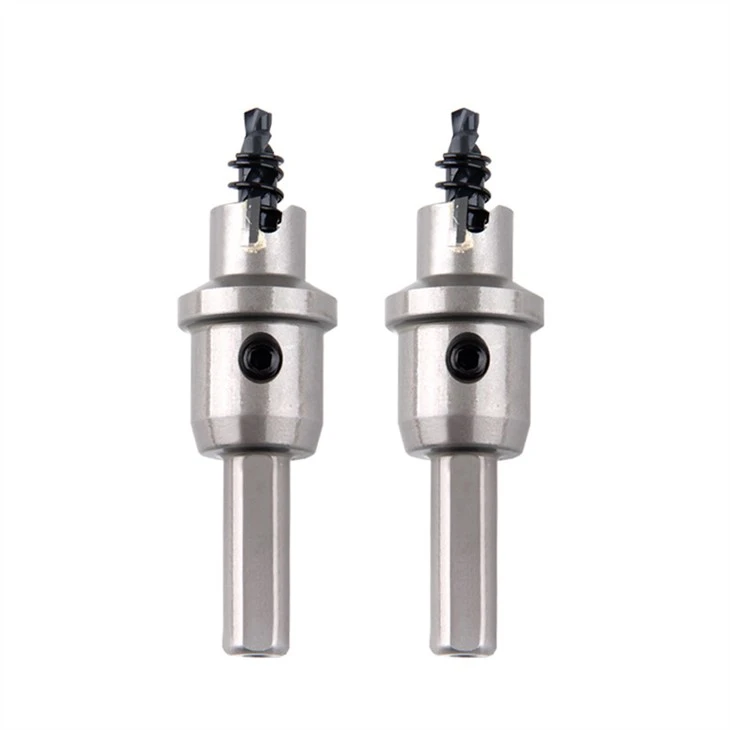
Tooth Design
The tooth design of a TCT hole saw has a direct influence on cutting efficiency and heat generation.
Proper tooth geometry allows the carbide teeth to enter and remove material efficiently while minimizing unnecessary friction. Factors such as rake angle, clearance angle, tooth spacing, and cutting-edge geometry can all affect cutting resistance and chip evacuation.
For example, an appropriately designed cutting edge can reduce cutting forces and help the tool remove material more efficiently. Proper tooth spacing also provides sufficient space for chips to evacuate, helping prevent chip buildup inside the hole saw.
The optimal tooth geometry depends on the material being cut and the intended application. A design optimized for mild steel, for example, may differ from one intended for aluminum, stainless steel, wood, or composite materials.
Cooling and Lubrication
Proper cooling and lubrication can help control cutting temperature and reduce friction during operation.
When cutting metal, an appropriate cutting fluid may help:
Reduce friction between the teeth and workpiece
Remove heat from the cutting area
Improve chip evacuation
Reduce premature tooth wear
Extend tool life
However, the appropriate cooling method depends on the material, hole-saw design, machine, and cutting conditions. Some applications may be suitable for dry cutting, while others benefit from cutting fluid or lubrication.
Users should follow the manufacturer's recommended cutting conditions rather than assuming that more coolant will always produce better results.
Why Heat Management Matters for TCT Hole Saws
Controlling heat during cutting is important for maintaining the performance and service life of a TCT hole saw.
Tool Life
Excessive heat can accelerate wear of the carbide cutting edges and place additional thermal stress on the tool.
When cutting conditions are properly controlled, the carbide teeth can maintain their cutting performance for longer, helping reduce premature tool replacement.
Tool life, however, is also affected by factors such as workpiece material, cutting speed, feed pressure, tooth geometry, carbide grade, and machine stability.
Cutting Performance
Effective heat management helps maintain more consistent cutting performance.
Excessive heat combined with improper cutting conditions can contribute to faster edge wear, chipping, or changes in cutting behavior. By using suitable cutting parameters and cooling methods, users can improve cutting consistency and reduce unnecessary wear.
This is particularly important when producing multiple holes or working with harder materials.
Brazed Joint Reliability
For TCT hole saws, the connection between the carbide teeth and the steel body is another important consideration.
Excessive heat and repeated thermal cycling can place additional stress on the brazed joints, particularly when combined with vibration, excessive cutting pressure, or poor operating conditions.
A well-controlled brazing process and appropriate cutting parameters help maintain the reliability of the tooth-to-body connection.
Our TCT Hole Saw Products
At SONGQI, we offer a range of TCT hole saws designed for different cutting applications.
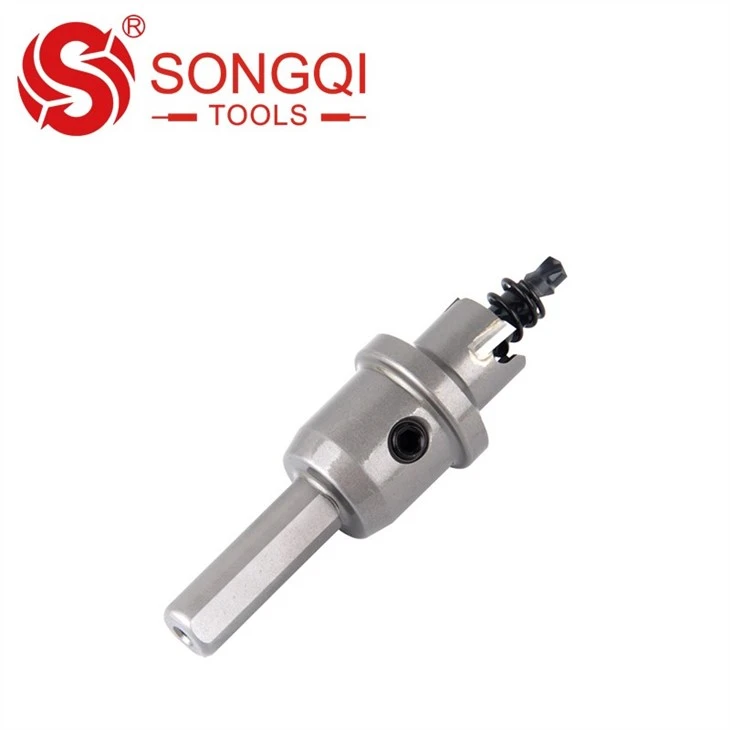
Our TCT 25mm Cutting Depth Hole Saw is designed for applications requiring a specific cutting depth. Its carbide-tipped cutting teeth and robust steel body provide reliable cutting performance when used under appropriate operating conditions.
Our SONGQI TCT Carbide Hole Saw Set provides multiple hole-saw sizes for users who need greater versatility across different applications. The combination of carbide cutting teeth and carefully designed tooth geometry helps provide efficient material removal and consistent cutting performance.
For general-purpose carbide-tipped hole-saw applications, our TCT Hole Saw is another option. It is available in different specifications to meet various cutting requirements.
For OEM and bulk orders, specifications such as diameter, cutting depth, tooth configuration, carbide grade, body material, and packaging can be discussed according to the customer's application.
How to Get Better Performance from a TCT Hole Saw
To maximize the performance and service life of a TCT hole saw, users should pay attention to several factors:
1. Select the correct hole saw for the material.
Different materials require different carbide grades and tooth geometries.
2. Use appropriate cutting parameters.
Avoid excessively high speeds and unnecessary cutting pressure.
3. Maintain proper alignment.
Poor alignment can increase vibration, cutting forces, and heat generation.
4. Use suitable lubrication when required.
For metal-cutting applications, an appropriate cutting fluid can help control temperature and improve cutting performance.
5. Avoid excessive force.
Allow the carbide teeth to perform the cutting rather than forcing the tool through the material.
Conclusion
Heat management is an important part of achieving reliable performance from a TCT hole saw.
However, the thermal performance of a hole saw should not be considered separately from the rest of the tool design. Carbide grade, tooth geometry, brazing quality, steel-body construction, cutting parameters, lubrication, and machine stability all work together to determine the overall performance of the tool.
With the right hole saw and appropriate operating conditions, users can reduce unnecessary heat generation, minimize premature wear, and achieve more consistent cutting results.
At SONGQI, we focus on the complete manufacturing process of our TCT hole saws, from material selection and tooth design to brazing, machining, inspection, and final packaging.
If you are looking for TCT hole saws for metal, stainless steel, aluminum, cast iron, wood, or other materials, please contact us with your application requirements. We can recommend suitable specifications and discuss OEM, customized, and bulk-order solutions.